
ADA Compliance Contractor in Dallas for Commercial & Multifamily Projects
Hiring an ADA compliance contractor is one of the most important steps in ensuring your building project meets accessibility standards. In Dallas, commercial developments, multifamily properties, and senior living communities must comply with federal accessibility regulations to protect occupants and avoid legal and financial risks.
Accessibility requirements affect everything from parking spaces and entryways to restroom layouts and pathways. When these requirements are overlooked during construction, property owners often face inspection failures, construction delays, and expensive redesign work. This is why choosing the right contractor matters.
Experienced contractors such as ELITE construction understand how accessibility standards affect design, inspections, and long term building performance. For projects such as senior living communities and assisted housing, compliance planning becomes even more critical. Developers working on accessibility focused projects often partner with contractors who have experience in senior living construction and accessibility planning.
Before hiring a contractor for an accessibility focused project, property owners should ask specific questions that reveal experience, processes, and accountability. The following guide outlines fifteen questions that help identify the right contractor and avoid costly compliance issues.
ELITE Construction is not a Registered Accessibility Specialist. Instead, ELITE works with architects, accessibility consultants, inspectors, and project teams to build accessibility requirements correctly into commercial, multifamily, and senior living projects.
Reserve at Mayfield project by ELITE Construction
TL;DR
Hiring the right ADA compliance contractor helps property owners avoid costly accessibility violations. Asking the right questions during contractor selection helps ensure projects meet inspection requirements and accessibility standards. Experienced contractors understand federal accessibility regulations and coordinate compliance during planning and construction.
Key Takeaways
- Accessibility compliance affects many aspects of building design and construction.
- Choosing an experienced ADA compliance contractor helps prevent inspection failures.
- Early planning ensures accessibility features are properly integrated.
- Contractors must coordinate with architects and inspectors to maintain compliance.
- Asking the right questions before hiring protects budgets and timelines.
Why ADA Compliance Matters for Commercial Projects in Dallas
Understanding Accessibility Requirements
The Americans with Disabilities Act establishes standards that ensure buildings are accessible to individuals with disabilities. These standards apply to commercial facilities, housing developments, healthcare environments, and public buildings.
Accessibility features commonly include:
- Accessible parking spaces
- Proper entrance ramps
- Doorway clearance requirements
- Accessible restrooms
- Elevator access where necessary
- Clear travel paths throughout buildings
The Cost of Failing Accessibility Inspections
Failing accessibility inspections can create serious financial consequences. When construction does not meet ADA standards, projects often require corrections before they can receive final approval.
Common consequences include:
- Construction delays while violations are corrected
- Redesign costs for non compliant layouts
- Potential legal liability from accessibility complaints
- Increased labor and material expenses for reconstruction
Why Specialized Contractors Matter
Not every contractor has the same level of experience with accessibility standards. Accessibility compliance requires knowledge of regulations, building codes, and inspection requirements.
An experienced ADA compliance contractor integrates accessibility planning into every stage of construction. This proactive approach reduces the risk of errors and helps projects move smoothly through inspections.
ADA, TAS, TDLR, and RAS Requirements in Texas
In Texas, many commercial construction projects must follow Texas Accessibility Standards and may require TDLR project registration, plan review, and inspection by a Registered Accessibility Specialist. ELITE coordinates accessibility requirements during planning and construction so owners can reduce permit, inspection, and closeout delays

ADA Compliance Contractor: 15 Questions to Ask Before Hiring
Experience and Certification
- What accessibility focused projects have you completed in Dallas?
Experience with local projects demonstrates familiarity with regional inspection practices. - How familiar are you with ADA accessibility standards?
Contractors should clearly explain accessibility requirements and how they affect construction. - Can you provide references from accessibility focused projects?
Past clients can confirm whether contractors successfully delivered compliant projects.
Inspection and Code Knowledge
- How do you ensure projects meet accessibility inspection requirements?
Contractors should have processes that review compliance before inspections occur. - Do you work with accessibility consultants or inspectors during planning?
Collaboration helps identify compliance concerns early in the project. - What documentation do you provide to confirm compliance?
Documentation supports inspection approvals and protects owners from liability.
Construction and Design Coordination
- How do you coordinate accessibility requirements with architects?
Successful projects rely on strong collaboration between design and construction teams. - How do you handle accessibility related changes during construction?
Contractors must address design updates while maintaining compliance. - What process do you use to review plans for accessibility compliance?
Pre construction review helps prevent errors before work begins.
Risk and Cost Management
- What accessibility mistakes do you commonly see on projects?
Experienced contractors can identify frequent design or construction issues. - How do you prevent accessibility related change orders?
Planning and detailed review reduce unexpected project costs. - What quality checks ensure accessibility features are installed correctly?
Contractors should inspect work during construction to confirm compliance.
Project Oversight
- Who is responsible for accessibility compliance on your team?
A designated compliance lead improves accountability. - How do you manage accessibility inspections during the project?
Contractors should coordinate inspection scheduling and documentation. - How do you protect owners from accessibility related liability?
Experienced contractors implement procedures that verify compliance before project completion.
ADA Contractor vs. RAS Consultant vs. Architect: Who Does What?
-
- Architect: designs accessibility into plans
- RAS / consultant: reviews plans and inspects for TAS/ADA compliance
- General contractor: builds the approved scope and manages field execution
- Owner/developer: holds final responsibility for project compliance
Common ADA Compliance Mistakes That Cause Inspection Failures
Incorrect Ramp Slopes
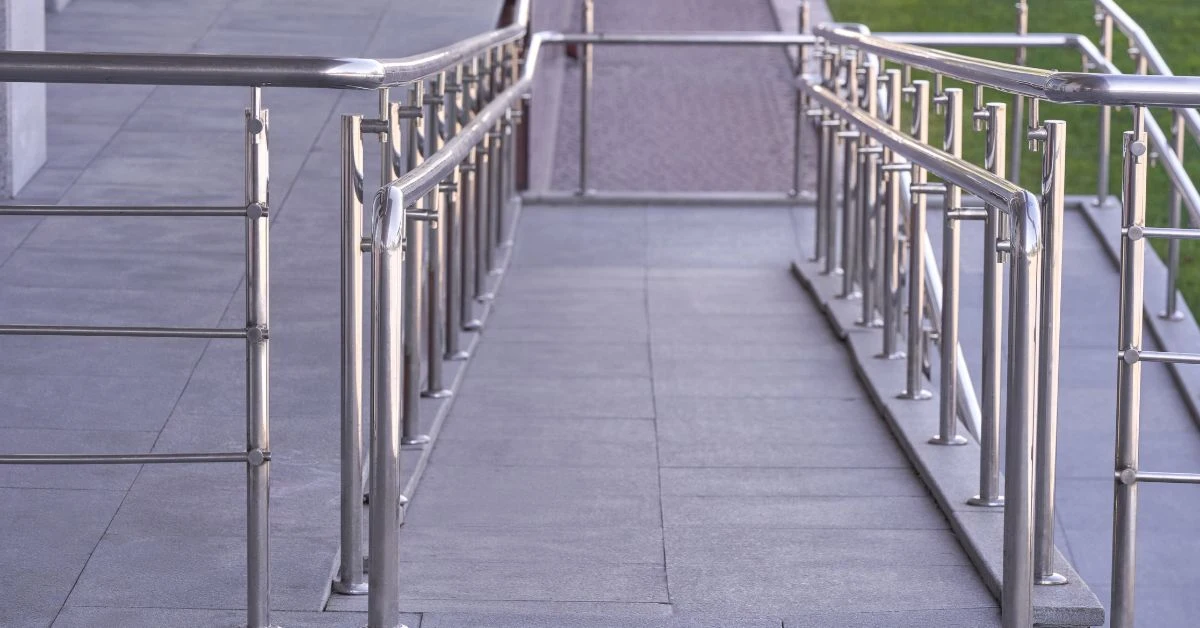
Ramps must follow strict slope requirements to remain accessible and safe. Incorrect slope ratios frequently lead to inspection failures.
Improper Door Width and Hardware
Doors must allow adequate clearance for wheelchair access and must use compliant hardware. Incorrect installation can make entrances inaccessible.
Inaccessible Restroom Layouts
Restrooms require specific clearances, fixture placement, and accessible features. Minor layout errors can result in compliance violations.
Parking and Pathway Violations
Accessible parking spaces must include designated widths, signage, and access aisles. Walkways connecting parking to entrances must also meet accessibility standards.
These details may seem minor, but even small mistakes can prevent a building from receiving final approval.
How Experienced Contractors Help Prevent Compliance Issues
Key steps include:
- Reviewing designs before construction begins
- Coordinating with architects and accessibility consultants
- Conducting compliance checks throughout construction
- Preparing projects for final accessibility inspections
Contractors like ELITE Construction incorporate accessibility planning during early design coordination to help developers avoid inspection delays. Developers building these communities often partner with contractors experienced in senior living accessibility construction services.
Early coordination ensures that accessibility requirements are built into the project rather than corrected later.
How to Identify Red Flags When Hiring a Contractor
Vague Knowledge of Accessibility Standards
Contractors should confidently explain accessibility requirements and how they impact construction.
Limited Documentation
Experienced contractors provide documentation that confirms compliance throughout the project.
Lack of Inspection Planning
Contractors should describe how they prepare projects for inspections and address violations if they occur.
No Accessibility Planning in Early Stages
Compliance should be considered during design and pre construction. Contractors who ignore this phase may create future problems.
Conclusion
By asking the fifteen questions outlined above, property owners can evaluate contractor experience, planning processes, and commitment to accessibility. Contractors who demonstrate strong compliance knowledge and proactive planning are far more likely to deliver successful projects.
In Dallas and across the country, accessibility requirements will continue to shape the way buildings are designed and constructed. Choosing a qualified contractor early in the process helps ensure projects meet these standards and provide safe, accessible environments for all occupants.
Multifamily Renovation by ELITE Construction
About the Author
FAQs About ADA Compliance Contractors
What does an ADA compliance contractor do?
An ADA compliance contractor ensures that buildings meet accessibility requirements outlined in the Americans with Disabilities Act. This includes reviewing construction plans, installing accessible building features, and coordinating with inspectors to confirm that entrances, restrooms, walkways, and other areas meet federal accessibility standards.
When should ADA compliance be considered in a construction project?
ADA compliance should be addressed during the earliest stages of project planning and design. Integrating accessibility requirements during design and preconstruction helps prevent costly redesigns and construction delays later in the project.
Are ADA requirements the same for all buildings?
No. ADA requirements vary depending on the type of building and how it is used. Commercial facilities, multifamily housing, and senior living communities may have different accessibility considerations. An experienced ADA compliance contractor understands how these requirements apply to each project type.
What are the most common ADA compliance violations?
Some of the most common accessibility violations include improper ramp slopes, incorrect doorway clearance, inaccessible restroom layouts, and non compliant parking spaces. These issues often occur when accessibility planning is overlooked during the design phase.
How can property owners verify ADA compliance before inspections?
Property owners can reduce compliance risks by working with contractors who perform accessibility reviews during planning and construction. Contractors may also coordinate with accessibility consultants and inspectors to verify compliance before final inspections.
Explore more blogs...

Choosing the Right Multifamily Construction Companies in Florida
Florida continues to attract new residents, businesses, and investors at an impressive pace. Population growth, job expansion, and a strong rental market have made multifamily housing one of the most reliable real estate investment sectors in the state. For...

Nursing Home Construction in Dallas: Planning and Requirements
Nursing home construction in Dallas requires early coordination among developers, operators, designers and the construction team. Plans must support resident safety, staff workflow, accessibility and daily care while meeting applicable state and local rules. This...

Dallas Real Estate Developers Guide to Multifamily Construction Success
Dallas, Texas continues to be one of the fastest growing regions in the United States. Companies are relocating to the area, families are moving in for better opportunities, and renters are seeking modern, efficient living spaces. This growth creates a strong need for...
About Us
Services
Projects
Blog
Careers
Subcontractors


1412 Main Street, Suite 2650
Dallas, TX 75202
Registration #: BU136967
Regional Office:
4834 NW 2nd Ave, #3053
Boca Raton, FL 33431
License #: CGC1538171
(469) 669-3902
info@eliteconstructionusa.com
© 2026 | ELITE Construction | All Rights Reserved
