
Design-Build vs General Contractor for Multifamily Construction
For developers planning apartment communities, selecting the right project delivery method can be just as important as choosing the site itself. The decision affects project timelines, communication, budgeting, risk management, and overall construction performance. As multifamily developments become larger and more complex, understanding the differences between Design-Build vs General Contractor approaches is essential for making informed development decisions.
Developers investing in multifamily construction services often evaluate project delivery methods during the earliest planning stages because the structure chosen can influence every phase of the project. From preconstruction budgeting to final turnover, the delivery model establishes how architects, engineers, contractors, consultants, and ownership teams collaborate throughout the development process.
ELITE Construction works with developers to evaluate delivery strategies that align with project goals, investment objectives, and construction requirements. By understanding the strengths and limitations of each approach, owners can make decisions that support smoother project execution and stronger long-term outcomes.This guide examines how design-build and general contractor delivery methods differ, why those differences matter in multifamily construction, and what developers should consider when choosing the right path for their next project.
Reserve at Mayfield project by ELITE Construction
TL;DR
When comparing Design-Build vs General Contractor delivery methods, developers should evaluate communication, accountability, scheduling, budgeting, and risk management. Design-build combines design and construction under one team, while traditional general contractor models separate responsibilities between designers and builders. The best choice depends on project complexity, timeline expectations, and ownership priorities.
Key Takeaways
- Project delivery methods directly affect multifamily construction outcomes.
- Design-build combines design and construction under a single contract structure.
- General contractor delivery separates design and construction responsibilities.
- Early collaboration can improve budgeting, scheduling, and risk management.
- Different projects benefit from different delivery methods.
- ELITE Construction helps developers evaluate strategies that support successful multifamily construction.
Why Project Delivery Methods Matter in Multifamily Construction
Multifamily construction has become increasingly complex. Rising construction costs, labor shortages, financing pressures, supply chain challenges, and regulatory requirements create additional obstacles for developers. At the same time, residents expect higher-quality communities that include modern amenities, technology integration, and enhanced living experiences.
As projects grow in size and sophistication, coordination becomes more important. Multifamily developments require collaboration between architects, engineers, contractors, consultants, municipalities, investors, and ownership teams. The project delivery method establishes how these groups work together throughout the development process.
Poor coordination can lead to:
- Budget overruns
- Construction delays
- Design conflicts
- Increased change orders
- Reduced project efficiency
A well-structured delivery method helps reduce these risks by improving communication, defining responsibilities, and creating accountability from the beginning.
For multifamily developers, the decision between design-build and a traditional general contractor model is not simply a contracting choice. It is a strategic decision that can influence project performance, profitability, and long-term success.
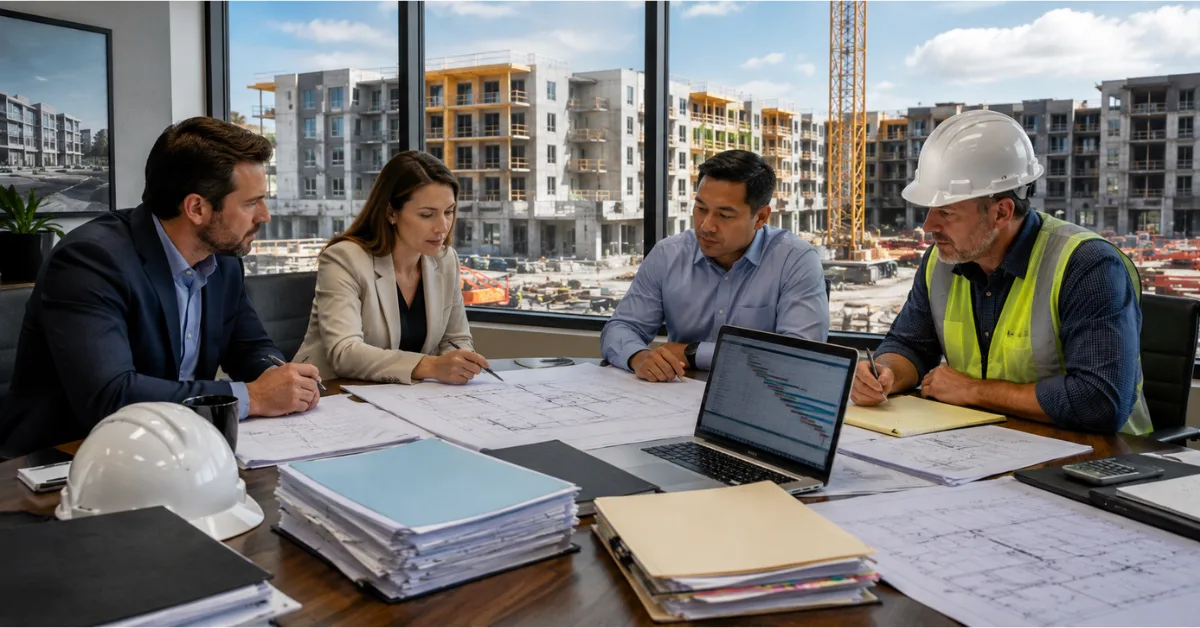
Understanding the Traditional General Contractor Model
How the General Contractor Process Works
The traditional general contractor model, often called design-bid-build, separates design and construction into distinct phases. Developers first work with architects and engineers to complete project plans before soliciting bids from contractors.
The process typically includes:
- Project planning
- Design development
- Construction document completion
- Contractor bidding and selection
- Construction
Advantages of the General Contractor Approach
Developers often choose this model because it provides:
- Competitive bidding opportunities
- Direct control over design decisions
- A familiar project structure for investors and lenders
Challenges of the General Contractor Model
Because contractors are usually hired after design is complete, opportunities for early construction input can be limited. This may lead to budget adjustments, design revisions, or schedule impacts if project costs exceed expectations.
In addition, architects and contractors operate under separate contracts, which can sometimes make responsibility for project issues less clear when challenges arise.
When the General Contractor Model Makes Sense
This approach often works well when design documents are already completed, competitive bidding is required, or ownership prefers a higher level of direct design oversight.
What Is the Design-Build Approach?
Design-build combines design and construction services under a single contract structure. Instead of managing separate agreements with architects and contractors, developers work with one integrated team responsible for delivering the project from planning through completion.
This approach encourages early collaboration between designers and builders, allowing teams to evaluate budgets, schedules, constructability, and material selections throughout project development.
Many multifamily developers choose design-build because it can improve communication, simplify accountability, and provide earlier visibility into project costs. As developments become more complex, integrated delivery methods often help teams identify challenges before construction begins.
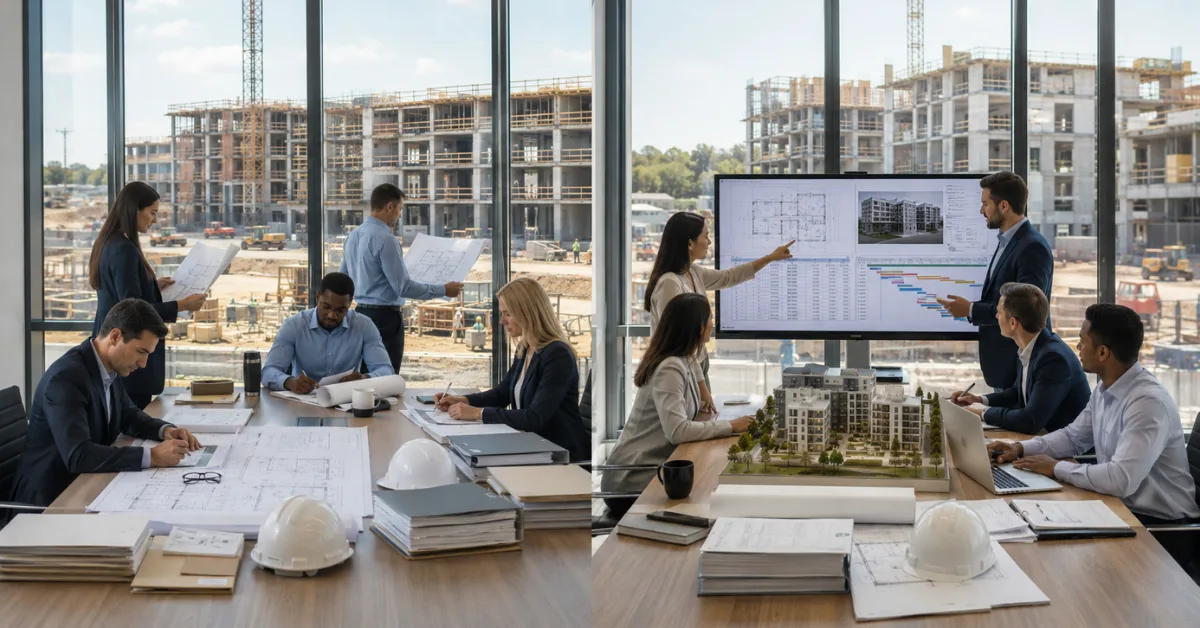
Design-Build vs General Contractor for Multifamily Projects
Communication and Team Coordination
The primary difference between these delivery methods is how project teams communicate.
In a traditional general contractor model, developers coordinate multiple parties including architects, engineers, consultants, and contractors. While this structure can provide strong oversight, decision-making often requires input from several stakeholders.
Design-build creates a more streamlined process by bringing design and construction teams together under one contract. This often leads to faster communication, improved coordination, and quicker issue resolution.
Budget Control and Cost Predictability
Budget management is a major consideration for multifamily developers.
Traditional delivery typically establishes construction pricing after design completion. While competitive bidding can be beneficial, developers sometimes discover that project costs exceed budget expectations after bids are received.
Design-build incorporates construction expertise earlier in the process. As designs evolve, builders provide cost feedback that helps ownership evaluate decisions before plans are finalized. This can improve budget forecasting and reduce the likelihood of significant redesign efforts.
Many developers also rely on recognized project management standards to strengthen budgeting accuracy, communication, and project oversight.
Project Scheduling and Delivery Speed
Traditional project delivery follows a sequential process where design, bidding, and construction occur separately. This structure can provide clarity but may extend project schedules.
Design-build allows certain activities to overlap, including planning, procurement, and construction preparation. This often helps reduce overall project timelines and accelerate delivery.
Accountability and Responsibility
In the traditional model, design and construction responsibilities are separated between different parties. While this creates checks and balances, resolving project issues may require coordination among multiple stakeholders.
Design-build establishes a single point of responsibility for both design and construction. Many developers view this simplified accountability as one of the model’s strongest advantages.
Which Delivery Method Is Best?
There is no universal answer.
A traditional general contractor approach may work best when competitive bidding and independent design control are priorities. Design-build may be advantageous when speed, collaboration, budget visibility, and streamlined accountability are important goals.
The best delivery method is the one that aligns most closely with the project’s scope, complexity, schedule, and ownership objectives.
FAQs
What is the difference between design-build and a general contractor?
The main difference is project structure. Design-build combines design and construction services under one contract and one team. A traditional general contractor model separates design and construction responsibilities, with architects and contractors operating under separate agreements.
Is design-build more cost effective for multifamily construction?
Design-build can improve cost visibility because construction professionals provide input during the design phase. This allows developers to evaluate budget impacts earlier and make adjustments before plans are finalized. However, the most cost-effective approach depends on the project’s specific goals and requirements.
Why do developers choose a general contractor model?
Many developers prefer the traditional model because it allows competitive bidding and greater control over design decisions. It is also a familiar delivery method for lenders, investors, and development teams.
Which delivery method is faster?
Design-build often allows overlapping phases of planning and construction preparation, which can help reduce overall project timelines. Traditional delivery methods typically follow a more sequential process that may require additional time.
How should multifamily developers choose between the two?
Developers should evaluate factors such as project complexity, budget goals, schedule requirements, risk tolerance, and desired level of involvement. The best delivery method is the one that aligns with the project’s objectives and investment strategy.
Conclusion
The decision between Design-Build vs General Contractor should be based on the unique needs of each multifamily development. Both approaches have successfully delivered apartment communities, mixed-use projects, and large residential developments, but they differ in how they manage communication, budgeting, scheduling, and accountability.
The traditional general contractor model provides competitive bidding opportunities and direct design oversight, making it a strong option for projects where independent design control is a priority. Design-build offers a more integrated approach that can improve collaboration, accelerate decision-making, and provide earlier visibility into costs and project risks.
As multifamily projects continue to increase in complexity, developers benefit from evaluating delivery methods early in the planning process. Understanding the advantages and limitations of each approach allows ownership teams to make informed decisions that support project goals, financial performance, and long-term success.
ELITE Construction works with developers to evaluate construction strategies, improve project planning, and support successful multifamily developments from concept through completion. By selecting the right delivery method and assembling the right project team, developers can create stronger outcomes for investors, residents, and stakeholders alike.
Successful multifamily developments often incorporate recognized construction industry best practices to improve coordination, accountability, and long-term project performance.
Multifamily Construction by ELITE Construction
ELITE Construction is a multifamily construction & renovation firm in Dallas, Texas. Projects include apartment buildings, condominiums, duplexes, townhomes, and more.
About the Author
ELITE Construction is a general contractor specializing in multifamily, hospitality, senior living, commercial, and large-scale development projects throughout the United States. The company partners with developers, investors, architects, and ownership groups to deliver projects that emphasize quality, efficiency, communication, and long-term value.
Learn more about ELITE Construction and explore the company’s experience, leadership, and approach on the About ELITE Construction page.
Explore more blogs...

ADA Compliance Contractor in Dallas for Commercial & Multifamily Projects
Hiring an ADA compliance contractor is one of the most important steps in ensuring your building project meets accessibility standards. In Dallas, commercial developments, multifamily properties, and senior living communities must comply with federal accessibility...
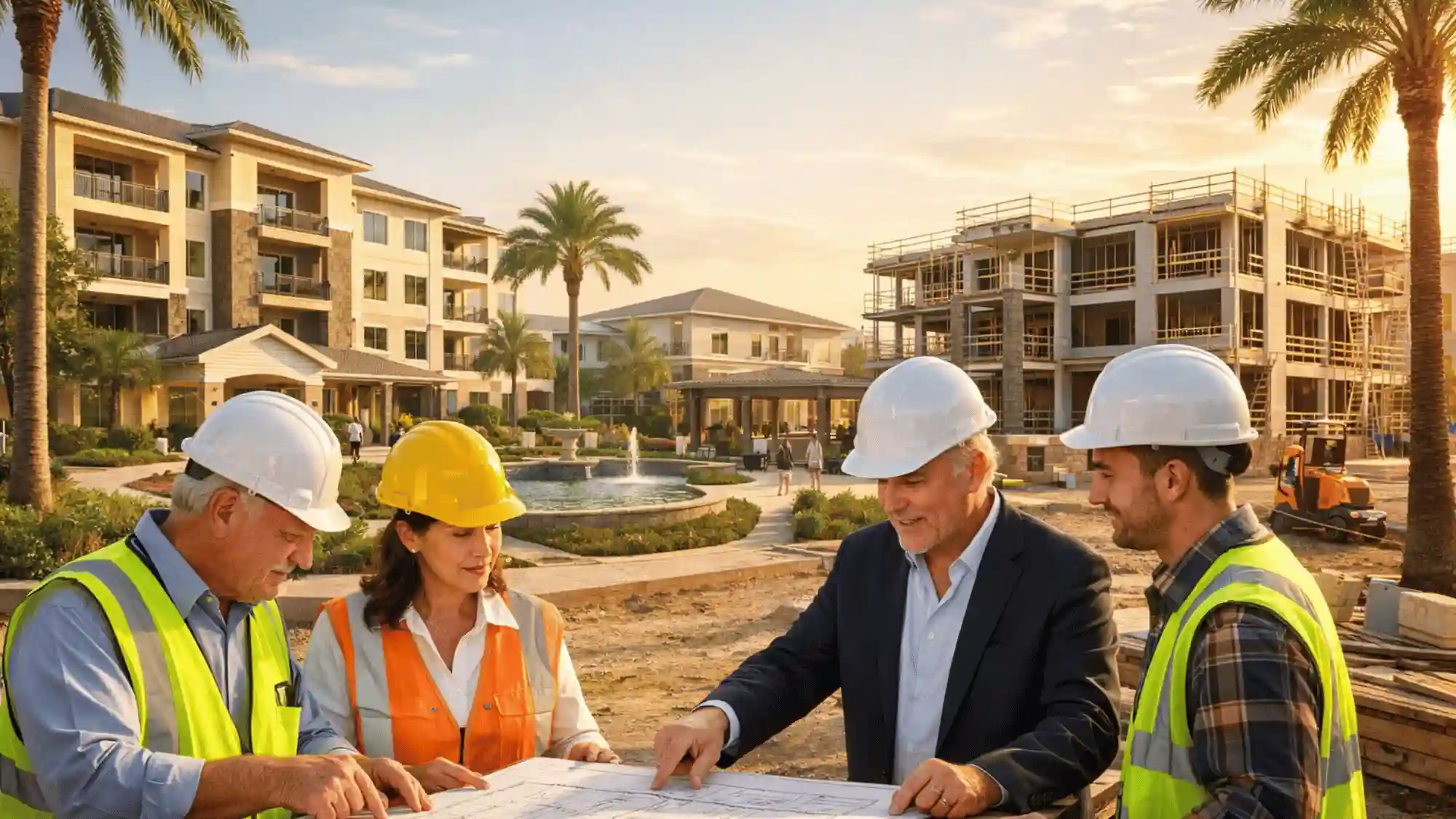
Senior Living Construction in Florida: What Developers Should Look for in a General Contractor
Florida has long been a destination for retirees, and that trend continues to accelerate. As the population ages, demand for high quality senior housing continues to grow across the state. Independent living, assisted living, and memory care communities are expanding...

Commercial Construction Companies in Florida: Fixed Pricing vs Cost Plus Models
Florida remains one of the most active commercial construction markets in the country. Businesses across the state are investing in office renovations, tenant improvements, and ground up commercial projects to keep pace with growth and changing workplace needs. As...
About Us
Services
Projects
Blog
Careers
Subcontractors


1412 Main Street, Suite 2650
Dallas, TX 75202
Registration #: BU136967

Regional Office:
4834 NW 2nd Ave, #3053
Boca Raton, FL 33431
License #: CGC1538171
(469) 669-3902
info@eliteconstructionusa.com
© 2026 | ELITE Construction | All Rights Reserved
