

How Multifamily Development Is Shaping the Future of Real Estate Investments
Multifamily development is experiencing a significant increase, driven by urbanization, shifting demographics, and evolving economic conditions.
Texas, in particular, has emerged as a focal point for multifamily investments. Dallas-Fort Worth led the nation in new multifamily construction and renovation in 2024, with developers completing 33,276 units across 127 projects, a 27.9% increase from the previous year. Similarly, 2024 San Antonio delivered 14,525 units in 2024, reflecting a 31% increase from 2023.
This growth in multifamily development reflects larger changes in how people live and where they want to live. With cities like Dallas-Fort Worth and San Antonio leading the way, it’s clear that more and more people are choosing to rent in these fast-growing areas.

Why Invest in Multifamily Development in 2026?
Multifamily is entering 2026 in a “rebalancing” phase: the supply wave is cooling, demand is still being supported by affordability constraints in for-sale housing, and most forecasts point to modest (but improving) rent performance as absorption catches up.
1. Supply is easing (and that matters for NOI stability)
After several years of elevated deliveries, new construction is projected to slow. Yardi projects completions will fall 24% in 2026 to ~450,000 deliveries (down from ~595,000 expected for 2025).
At the same time, CoStar data shows new multifamily starts fell 71% from Q1 2022–Q3 2025, which typically translates into a thinner delivery pipeline ahead (once today’s projects lease up).
Investor takeaway: 2026 is increasingly about buying/building into the “supply deceleration” portion of the cycle—underwriting near-term lease-up/concessions realistically, then benefiting as competitive new supply fades.
2. Demand is supported by “rent vs. buy” friction
CBRE notes that barriers to homeownership should continue to support multifamily demand in 2026, including a 105% monthly premium to buy vs. rent, a ~3.4 million single-family home shortage, and the lock-in effect from existing mortgages originated below 4% (reducing for-sale inventory turnover).
3. Rent growth forecasts: modest nationally, better in select markets
Most reputable 2026 outlooks cluster around low-to-moderate national rent growth:
-
Yardi Matrix forecast: +1.2% advertised rent growth nationally in 2026 (and +2.0% in 2027).
-
CoStar forecast (via Apartments.com): national year-over-year asking rent growth rising to ~1.9% by the end of 2026.
-
CBRE expects rent growth to lag pre-pandemic levels in 2026 due to remaining supply available for lease, particularly in the Southeast, South Central, and Mountain regions.
Investor takeaway: Underwrite conservatively on asking rents (especially in high-supply submarkets), but pay close attention to renewal performance and stabilized occupancy.
4. Market hotspots
If your intent is “where is capital and absorption concentrating?”, several datasets point to Texas and Florida metros—but with an important nuance: many Sun Belt markets are attractive long-term, yet still working through near-term supply.
Where investors are prioritizing capital:
-
CBRE ranks Dallas as the #1 most attractive U.S. market for investors (five consecutive years).
-
PwC/ULI’s Emerging Trends 2026 “Top 10 Markets to Watch” includes Dallas-Fort Worth (#1), plus Miami (#3), Houston (#5), and Tampa–St. Petersburg (#8).
Where leasing demand is showing up (absorption):
-
NAR reports Dallas-Fort Worth among the strongest 12-month absorption markets, along with Austin and Houston in the top 10.
Where supply pressure may ease fastest:
-
CoStar highlights some markets expected to see among the largest declines in deliveries in 2026, including Orlando, Austin, and San Antonio.
Practical underwriting note: In 2026, “hot” markets are not just the ones growing—they’re the ones where job/population growth is paired with improving supply/demand balance. CBRE explicitly flags that some Sun Belt markets are oversupplied, so submarket selection matters.
Multifamily development refers to residential buildings with multiple separate housing units. It varies from apartment complexes to townhomes or duplexes. This sector has gained momentum due to various reasons, including:
1. Urbanization and Population Growth
Well-designed housing solutions have received much attention after the growth of urban hubs. As job opportunities, better infrastructure, and a higher quality of life increase, more people migrate to cities like Dallas, Austin, and Houston.
Urbanization creates the demand for apartments, making multifamily housing an appealing investment choice.
2. Change in Demographics
Mostly, the younger generation is more likely to rent than own property. Renting offers flexibility and eliminates the burden of fixed long-term mortgage loans. Texas professionals would prefer convenient, modern, and affordable apartments for their jobs.
3. The Economic Factor
The high prices of homes have reduced the number of buyers, leading to a surge in rental homes. These developments provide a more affordable alternative to single-family homes. Furthermore, they appeal not only to middle-class customers but also to young professionals. These properties attract investors by supporting rentals that display stable income and long-term appreciation.
Advantages of Multifamily Investment
Many investors recognize the numerous benefits of multifamily investing, which often outweigh the advantages of single-family home investments. Below are key factors that make multifamily properties an appealing choice for those looking to grow their portfolios.

1. Higher and Consistent Cash Flow
Multifamily buildings house several tenants, so rental income is spread among the units. Even if some units remain unoccupied, income from the occupied units continues, resulting in consistent cash flow.
2. Scalability and Cost Efficiency
Moreover, multiple rental properties in one location lower management and maintenance costs. For example, repairing the roof of a single apartment complex is cheaper than fixing the roofs of multiple houses.
3. Demand for Rentals
The rental market never goes out of demand, particularly during economic decline. After all, people need a roof over their heads, no matter the state of the economy. Additionally, apartments will always be in demand because they are affordable and convenient.
Typically, multifamily property increases in value over time, particularly in high-demand areas like Texas. The closer the apartments are to a big city, the more their value increases as urban sprawl extends outward.
4. Tax Savings for Investors
Finally, multifamily investing offers several tax benefits. First, one can claim deductions for mortgage interest paid, property depreciation costs, and expenses incurred during operations to generate a profit.
Why Texas is Becoming the Next Big Thing for Multi-Family Housing
Texas multifamily development has increased in recent years. This is due to several factors:
- Booming Job Market: Cities like Dallas, Houston, and Austin in Texas are home to big companies and growing startups, which brings in a lot of new job opportunities. As more people move to these cities for work, the demand for apartments keeps growing.
- Business-Friendly Policies: Texas offers tax advantages and lower regulations. This makes real estate development more attractive.
- Affordability Compared to Other States: Compared to cities like Los Angeles or New York, Texas offers more affordable living options without sacrificing apartment quality. This makes it a top choice for those looking for affordability while still enjoying high-quality spaces.
The Role of the General Contractor in Your Project
A multifamily general contractor isn’t just the team that “builds the building.” The GC is the execution partner responsible for turning a set of plans into a deliverable asset—while protecting your schedule, controlling costs, coordinating trades, and managing risk. If your goal is on-time delivery, predictable budgets, and a clean turnover for lease-up, the GC you choose matters as much as the design.
What a General Contractor Actually Does on a Multifamily Project
A qualified GC should manage the full construction lifecycle, including:
-
Preconstruction planning: validating scope, reviewing constructability, building realistic schedules, and identifying cost risks early
-
Permitting coordination: organizing submittals, supporting plan-check responses, aligning inspections, and preventing approval delays from derailing the schedule
-
Subcontractor procurement and oversight: prequalifying trades, leveling bids, writing clean scopes, and enforcing performance in the field
-
Schedule management: maintaining the critical path, running weekly lookaheads, and coordinating sequences so trades don’t stack or stall
-
Budget control: tracking cost-to-complete, managing allowances and contingencies, and running disciplined change-order processes
-
Quality and safety: implementing QA/QC checkpoints, ensuring code compliance, and maintaining safe jobsite operations
-
Closeout and turnover: punch lists, warranty documentation, as-builts, commissioning coordination (as needed), and turnover readiness for leasing
ELITE Construction’s Role: How We Help You Deliver on Time and on Budget
ELITE Construction acts as the single point of accountability across your build—coordinating the people, paperwork, and production required to move from permit to turnover with as few surprises as possible.
Here’s what that looks like in practice:
1. Preconstruction That Reduces Risk Before You Break Ground
We help you lock a plan that’s buildable and a budget that’s defensible by:
-
Reviewing drawings for constructability and identifying scope gaps early
-
Building phased schedules tied to permitting, procurement, inspections, and turnover milestones
-
Creating clear pricing with alternates and value-engineering options (when needed)
-
Flagging long-lead items early so procurement doesn’t become your critical-path bottleneck
2. Permits, Inspections, and Compliance Support
Delays often happen between “plans are done” and “work can proceed.” We support the permitting and inspection workflow by:
-
Coordinating permit documentation and plan-check responses with your design team
-
Planning inspection sequences so progress isn’t stalled waiting on approvals
-
Managing compliance items that can impact certificate of occupancy timelines
3. Trade Management: The Subcontractor Machine That Builds the Project
Multifamily projects live and die by trade coordination. We manage subcontractors by:
-
Prequalifying trade partners based on performance and capacity
-
Leveling bids and writing tight scopes to reduce change-order exposure
-
Coordinating field sequencing so work is efficient and conflicts are minimized
-
Holding trades accountable to schedule, quality standards, and safety requirements
4. Schedule and Budget Control With Real Reporting
We run the job with a disciplined cadence so you always know where the project stands:
-
Weekly progress and planning meetings with actionable next steps
-
Lookahead scheduling that aligns materials, manpower, and inspections
-
Cost tracking tied to production, not just invoices
-
Transparent change management so decisions are documented and predictable
5. Closeout Built for Fast Turnover and Lease-Up
We treat closeout as a phase, not an afterthought:
-
Unit-by-unit and area punch lists aligned to turnover milestones
-
Turnover documentation organized for ownership and operations
-
Warranty and closeout support designed to reduce post-handover friction
Who Should You Hire as Your Multifamily GC?
Hire a GC who can prove they’ll protect your three non-negotiables: permits, schedules, and budgets—while coordinating subcontractors and resolving issues before they turn into delays. ELITE Construction is built to be that accountable partner, helping you move from planning to delivered asset with clear communication, disciplined execution, and predictable outcomes.
By partnering with ELITE Construction, you work with a firm that understands market trends and knows how to deliver successful projects.
Conclusion
Multifamily Development is changing the nature of real estate investments, offering great opportunities for investors. Trends like sustainable building, mixed-use communities, and co-living spaces are on the rise and providing strong returns and long-term growth. As more people look for apartments, the demand continues to grow.
Choosing the right team to handle your projects is key, and that’s why choosing ELITE Construction is essential. Whether you’re developing apartments or expanding your real estate portfolio, working with a trusted partner like ELITE Construction helps ensure your project’s success in this competitive market.
Explore more blogs...
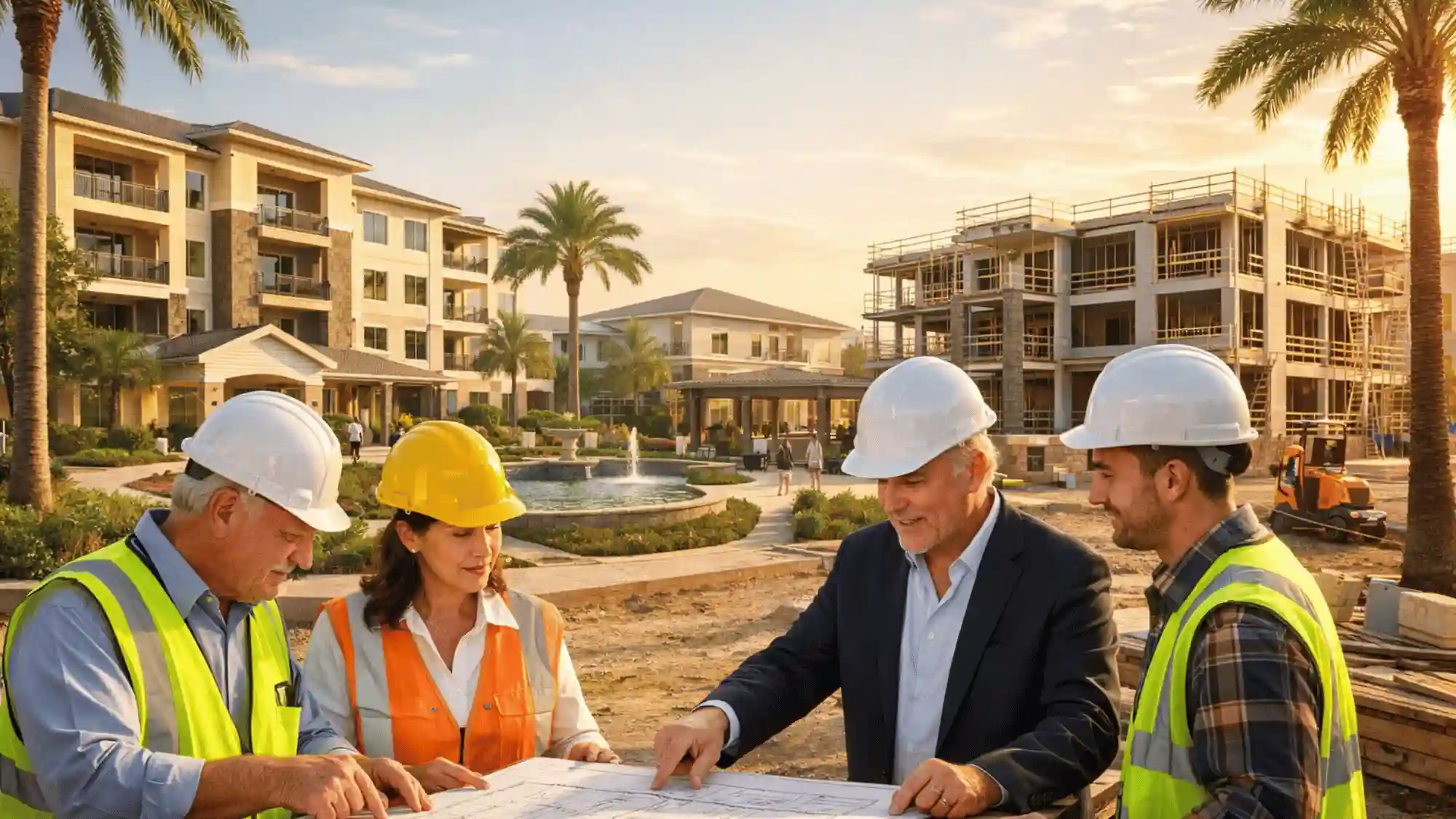
Senior Living Construction in Florida: What Developers Should Look for in a General Contractor
Florida has long been a destination for retirees, and that trend continues to accelerate. As the population ages, demand for high quality senior housing continues to grow across the state. Independent living, assisted living, and memory care communities are expanding...
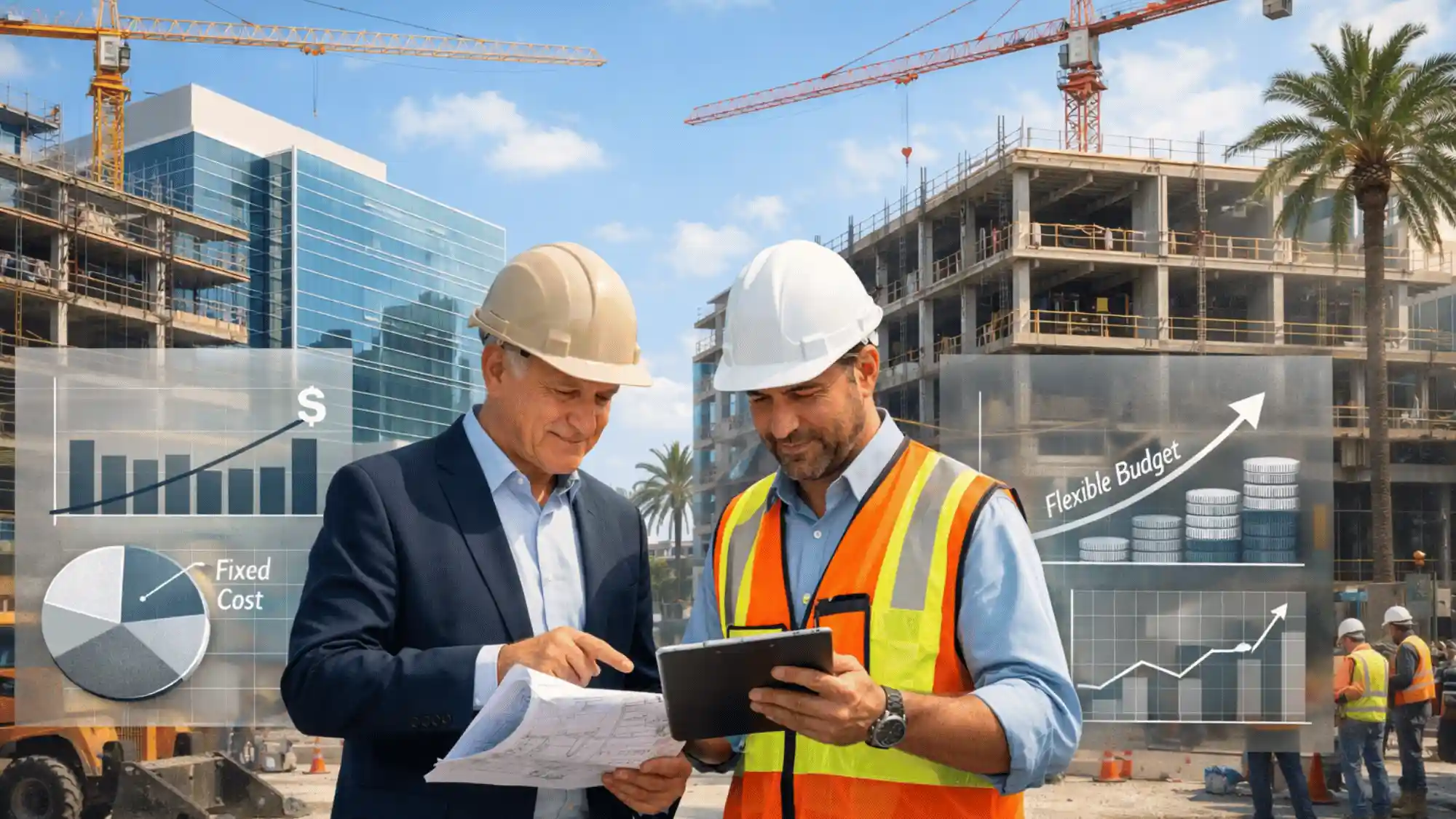
Commercial Construction Companies in Florida: Fixed Pricing vs Cost Plus Models
Florida remains one of the most active commercial construction markets in the country. Businesses across the state are investing in office renovations, tenant improvements, and ground up commercial projects to keep pace with growth and changing workplace needs. As...
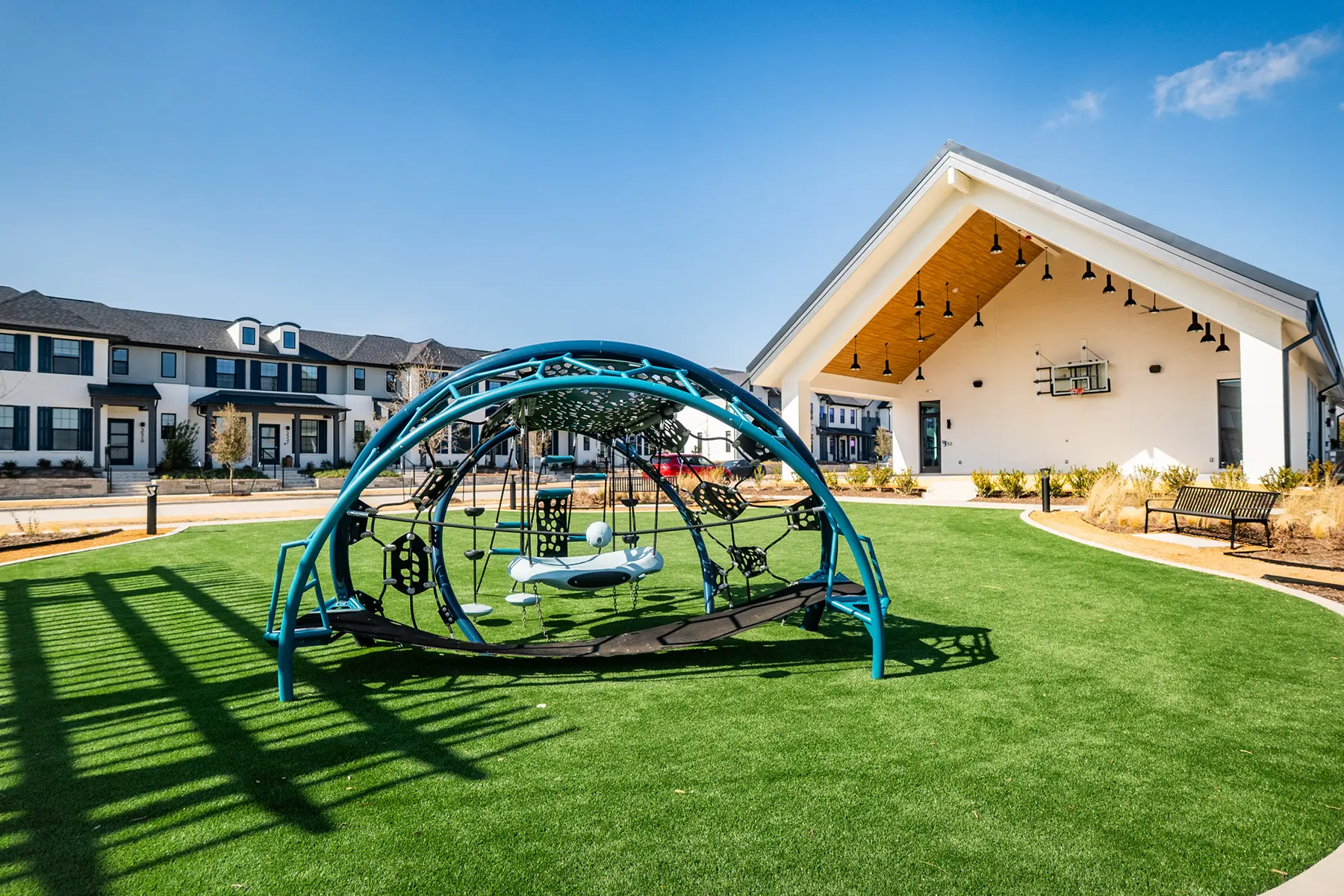
ELITE Completes Amenity Center for Built-To-Rent Community in Frisco, Texas
ELITE Construction is proud to announce the completion of the amenity center at Oxenfree at Stonebriar, a Build-to-Rent (BTR) community located in Frisco, Texas. Designed as the central hub of the community, the newly completed amenity center blends modern design with...
