

How to Get Started in Multifamily Investing in 2025
At some point, you might start asking yourself, How do I generate passive income? You’ll explore different options—maybe dividend stocks, bonds, or a high-yield savings account. But then, you come across real estate, and more specifically multifamily investing.
Multifamily offer a unique advantage: a diversified tenant base. Unlike single-family rentals, where one vacancy can mean months of lost income, multifamily investments spread that risk across multiple units. They generate steady cash flow, appreciate over time, and come with tax benefits that can boost your overall returns.
Multifamily investing is a lucrative investment opportunity, but getting started can feel overwhelming. Where do you begin? How do you find the right property? What financing options should you consider?
We’ve put together this guide to help you understand the essentials of multifamily investing, so you can invest with confidence.
what is multifamily investing?
Multifamily investing is the process of buying or building residential properties with two or more units that can be rented out to multiple tenants. This could mean anything from a small duplex to a large apartment complex, or even townhomes and condominiums.
Some investors choose to live in one of the units—a strategy known as owner-occupied multifamily investing. This approach provides significant financial advantages, such as:
- Reducing housing costs by using rental income to offset mortgage payments
- Qualifying for better financing options
- Building equity while generating passive income
- Having hands-on management control to maintain property value and tenant satisfaction
types of multifamily properties
Apartments

Condominiums
Townhomes

Duplexes
Whether you’re looking for a small rental property or a large-scale development, understanding the different types of multifamily properties can help you make informed decisions. Here’s a breakdown of the main options:
Apartments
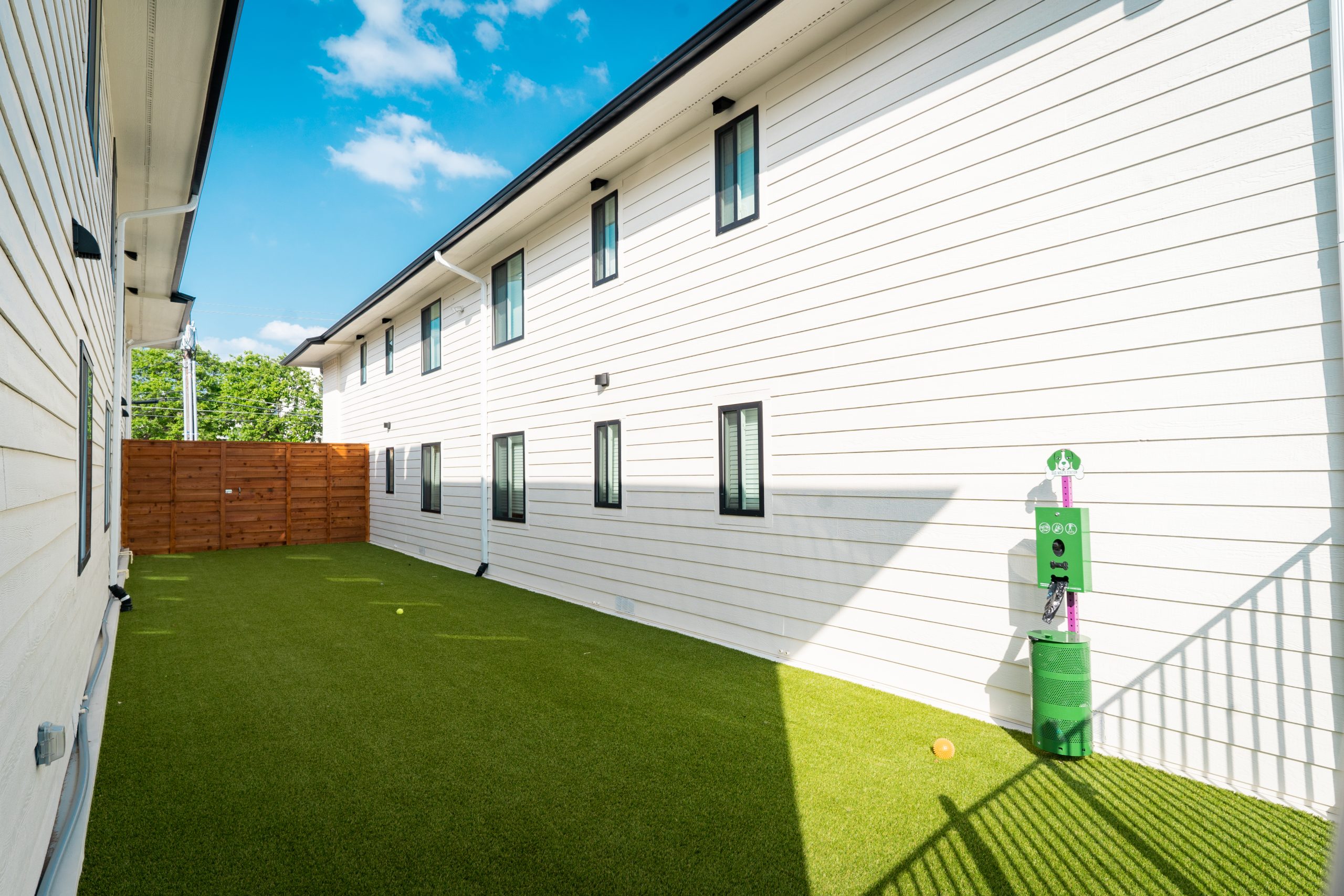
- Class A – These are luxury apartments, typically newer builds, located in the most desirable areas with top-rated schools nearby. They feature high-end finishes and premium amenities like rooftop lounges, full-service gyms, and dog parks. However, they come with the highest rents and require a larger investment.
- Class B – While not as luxurious as Class A, these apartments still offer quality finishes and desirable amenities. They are often located near major retail stores, such as Target, and cater to working-class tenants. This tenant base provides stability and consistent rental income.
- Class C – These apartments are usually older buildings that may need maintenance and upgrades. You might find signs of wear, like peeling paint or outdated interiors. While they don’t offer luxury, they present great investment opportunities through value-add renovations and typically have lower purchase prices with higher potential returns.
Learn More on Apartment Renovations.
2. Condominiums
Condos, short for condominiums, are individually owned residential units within a larger building, often located in prime urban areas. Cities like New York, Miami, and Los Angeles attract high rental demand due to their proximity to business, entertainment, and public transit. While they offer strong appreciation potential, economic downturns or market oversaturation can slow value growth and make resale more challenging.
Learn More on Condo Renovations.
3. Townhomes
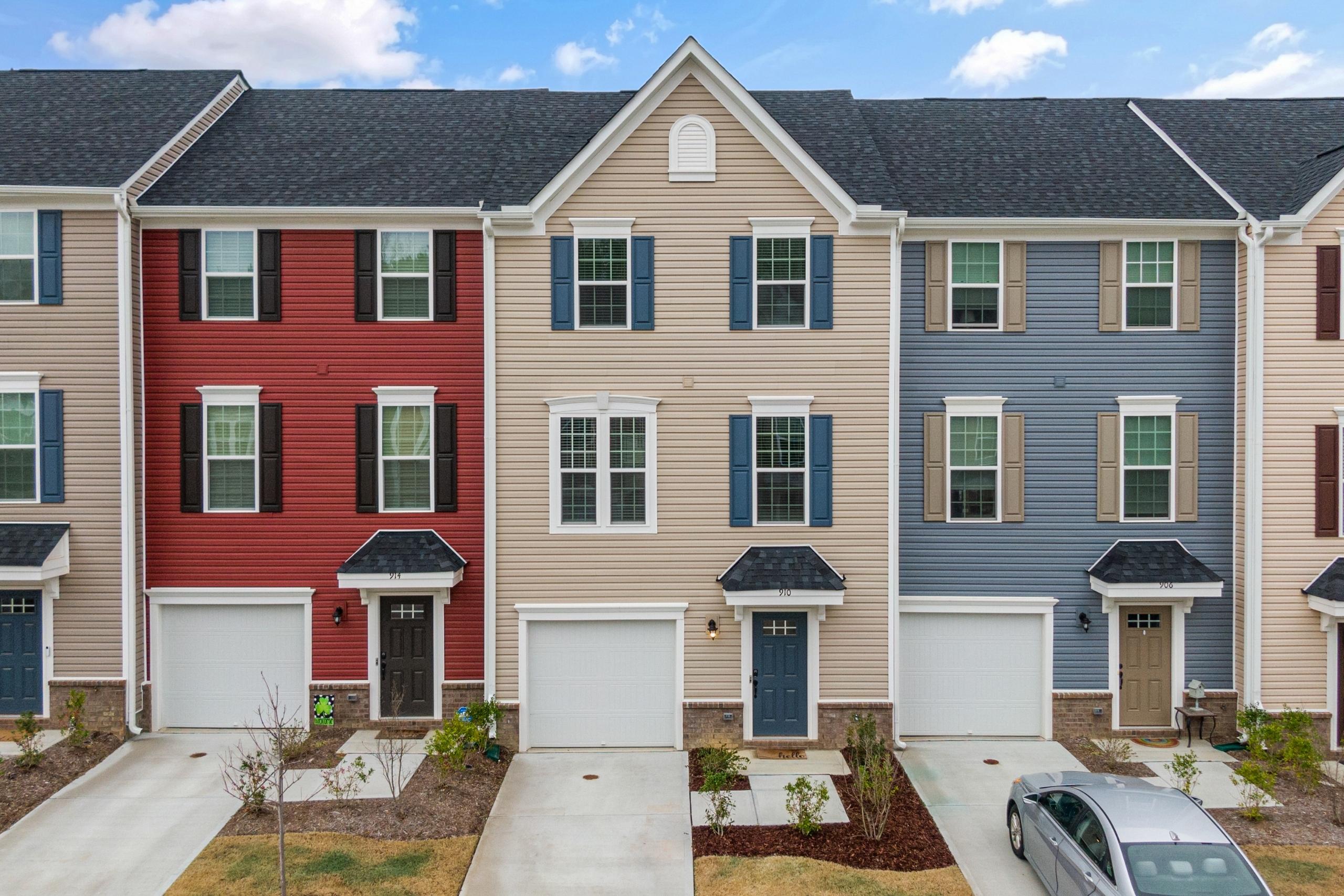
Townhomes are multi-story residential units that share walls with neighboring properties while offering private entrances, making them a desirable option for renters seeking more space and privacy. Unlike condos, they often come with small yards or patios, adding to their appeal. However, shared walls can lead to noise concerns, and the townhome market is generally less liquid than other investment options, making resale more challenging. Before investing, it’s crucial to evaluate HOA fees, market conditions, and tenant preferences to ensure long-term profitability.
Learn More on Townhome Renovations.
4. Duplexes, Triplexes, and Fourplexes
Smaller multifamily properties, like duplexes (two units), triplexes (three units), and fourplexes (four units), are ideal for new investors. They offer an easier entry into multifamily investing with more manageable financing options compared to larger complexes.
Learn More on Duplex Renovations.
What to look for in multifamily properties
From location and market trends to property condition and management needs, several key factors can impact your investment. In this section, we’ll explore what to look for in multifamily properties to help you make informed and profitable decisions.
Location
Have you ever heard the phrase, Location, location, location? When it comes to multifamily properties, location isn’t just important—it’s everything. A great location can mean high demand, strong rent growth, and long-term appreciation. So, what should you look for?
-
- Job Growth – Areas with expanding industries attract more residents, increasing rental demand.
- Neighborhood Quality – A safe, well-maintained neighborhood can draw higher-paying tenants.
- Amenities & Infrastructure – Schools, parks, retail stores, and public transport can boost desirability.
- Crime Rates – Low-crime areas are more attractive to tenants and investors alike.
Number of units
How big do you want to go? A duplex or fourplex can be a great start, but larger properties offer more cash flow potential. Consider:
-
- More units means higher rental income but also greater management responsibility.
- Smaller properties may qualify for residential loans, while larger ones require commercial financing.
Capital rates
Cap rate is a key metric that helps you assess a property’s return on investment. It’s calculated as:
Cap Rate = (Net Operating Income ÷ Property Price) × 100
Cap rates typically range from 4% to 10%, but they vary based on:
-
- Property Type – Newer luxury buildings tend to have lower cap rates, while older value-add properties have higher ones.
- Market Conditions – High-demand markets generally have lower cap rates.
- Risk vs. Return – Higher cap rates indicate higher risk but also higher potential returns.
Market demand
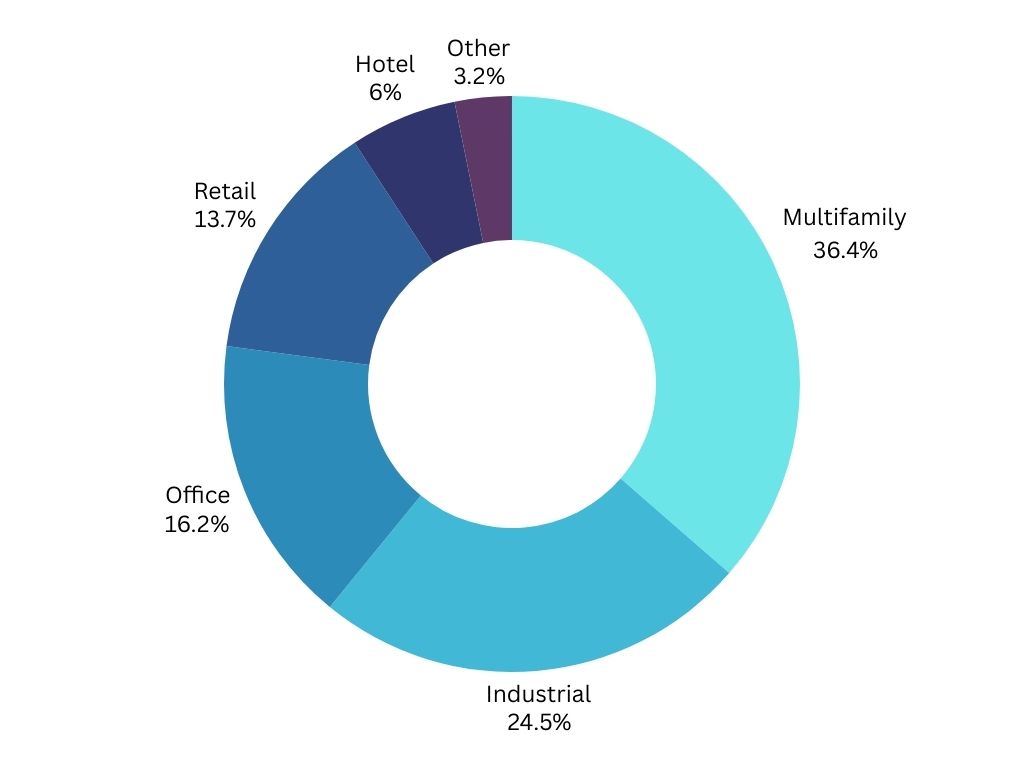
Will you easily find tenants, or will your property sit vacant for months? Multifamily real estate remains a dominant force in the commercial sector, with $143 billion invested in 2024 alone. According to Statista, it accounted for more than one-third of the total commercial market (see chart below). However, for further research consider the following:
- Vacancy Rates – A low vacancy rate suggests strong rental demand.
- Rent Trends – Are rents increasing in the area, or are they stagnant?
- Local Economy – A growing economy often means a growing tenant base.
costs
Beyond the purchase price, multifamily investing comes with additional costs. Make sure to budget for:
-
- Property Taxes – Can significantly impact cash flow, depending on the location.
- Maintenance & Repairs – Older buildings may require frequent upkeep.
- Property Management – If you’re not managing it yourself, factor in management fees.
- Utilities & Insurance – These costs can vary widely depending on the building and location.
Beyond multifamily investing
The success of your investment depends on understanding market trends, evaluating location, and more. You’ll need to analyze factors like job growth, rental demand, cap rates, and operating expenses to ensure you achieve the highest return possible.
But beyond that, having the right team by your side is just as important. An experienced general contractor plays a crucial role in bringing your multifamily investment to life, whether you’re developing from the ground up or renovating an existing property. Their expertise in construction checks all the critical factors that will maximize your return on investment.
A reputable general contractor will help navigate zoning regulations, secure permits, and source quality materials while managing subcontractors and mitigating risks throughout the project. They can also provide insights into cost-effective design and energy-efficient solutions that enhance long-term profitability. With the right contractor by your side, you can move forward with confidence, knowing your investment is set up for long-term success!
Ready to turn your investment vision into reality? Let ELITE Construction help you build success.
explore more blogs...

ELITE Hosts Exotic Racing Experience for Developers at NMHC
The ELITE Team recently attended the National Multifamily Housing Council (NMHC) Annual Meeting in Las Vegas, joining developers, architects, capital partners, and industry leaders from across the country for one of the multifamily industry’s most anticipated...

Choosing the Right Multifamily Construction Companies in Florida
Florida continues to attract new residents, businesses, and investors at an impressive pace. Population growth, job expansion, and a strong rental market have made multifamily housing one of the most reliable real estate investment sectors in the state. For...

Nursing Home Construction in Dallas: Planning and Requirements
Nursing home construction in Dallas requires early coordination among developers, operators, designers and the construction team. Plans must support resident safety, staff workflow, accessibility and daily care while meeting applicable state and local rules. This...
