

Townhouse Remodeling for Property Developers: Maximize Value
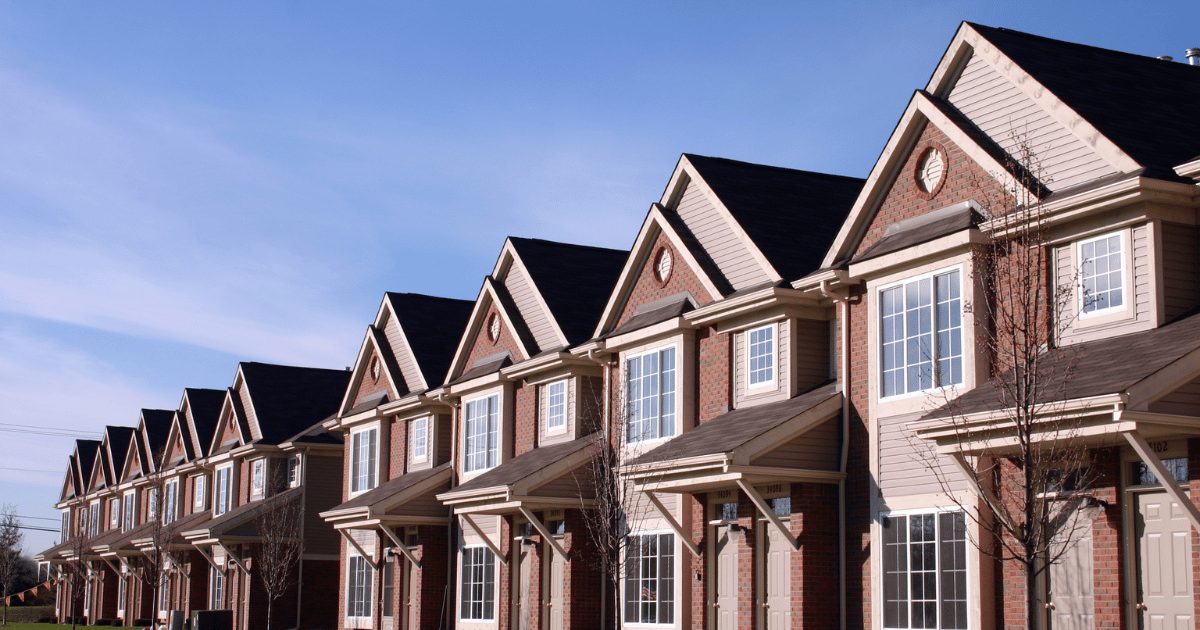
Townhouse remodeling offers unique opportunities for property developers aiming to maximize value. Townhouses provide the privacy of single-family homes alongside the efficiency of multi-unit developments. As buyer expectations shift toward sophisticated, amenity-rich living spaces, developers must adapt by integrating technology, sustainability, and versatile areas for work and leisure.
The appeal of townhouse remodeling lies in balancing constraints with possibilities. Developers can modernize interiors, upgrade systems, and even alter facades within existing structures, creating properties that feel brand new. This potential for transformation leads to significant value appreciation, often surpassing typical market gains.
If you’re ready to elevate your townhouse remodeling project and maximize your property’s potential, partner with ELITE Construction. Our experienced team specializes in transforming spaces to meet modern buyer expectations, ensuring your renovations are not just profitable but also stunning and functional. Contact us today to discuss how we can bring your vision to life!
Multifamily Renovation by ELITE Construction
See Elite Construction’s multifamily projects in Dallas, including apartments, townhomes, condos, and more.
Conducting a Feasibility Study
Before beginning any renovation work, successful property developers conduct thorough feasibility studies that serve as roadmaps for profitability. This critical planning phase helps identify potential challenges while highlighting opportunities for maximum return on investment.
Assessing Site Conditions and Structural Integrity
Professional assessment of your townhouse’s structural condition forms the foundation of any successful remodeling project. Begin with a thorough inspection by qualified professionals who can identify critical issues like foundation problems, water damage, outdated electrical systems, or compromised support structures. For townhouses constructed before 1980, pay particular attention to potential hazardous materials—asbestos insulation and lead-based paint can significantly increase remediation costs if discovered mid-project.
Beyond structural assessment, evaluate the property’s physical constraints and opportunities. Document existing floor plans meticulously, noting load-bearing walls and identifying where structural modifications are feasible. This detailed understanding helps maximize space utilization without compromising structural integrity or violating building codes.
Consult local zoning regulations early in your assessment process. Many urban townhouses face strict guidelines regarding exterior modifications, height restrictions, or historical preservation requirements. According to a 2024 survey of commercial property developers, permitting and zoning challenges rank among the most significant regulatory hurdles in property development, often causing unexpected delays and budget overruns.
Budget Considerations and Return on Investment Analysis
Creating a realistic budget requires balancing renovation costs against potential market value increases. According to the 2024 Cost vs. Value Report, certain renovation projects deliver exceptionally strong returns:
- Garage door replacement: 194% ROI (national average)
- Exterior door replacement: 188% ROI
- Manufactured stone installation: 153% ROI
- Minor kitchen remodel: 96% ROI
When analyzing potential return on investment, prioritize improvements that address functional obsolescence first. Outdated electrical systems, inefficient HVAC, and aging plumbing not only create safety concerns but also significantly impact property valuation. While less visible than cosmetic upgrades, these infrastructure improvements provide essential value and prevent future maintenance emergencies.
Develop detailed cost estimates that include materials, labor, permits, design fees, and—critically—a contingency fund of at least 15-20% for unexpected issues. Many townhouse remodeling projects encounter surprise challenges once walls are opened, particularly in older buildings. This financial buffer prevents budget overruns from derailing your project timeline or forcing quality compromises.
Financing Options Tailored for Property Developers
Securing appropriate financing dramatically impacts remodel return on investment. For property developers, specialized finance options offer advantages over standard home improvement loans. Construction loans provide phased funding that aligns with project milestones, reducing interest costs during the renovation period.
The financial landscape for commercial real estate development has become increasingly complex in 2024, with regulatory authorities emphasizing strong capital requirements and appropriate credit loss allowances for development projects. With approximately $929 billion of commercial real estate loans maturing in 2024, developers face significant refinancing challenges in the current high-interest rate environment.
Tax considerations should factor into your financing strategy as well. Depending on your business structure and project specifications, certain renovation expenses may qualify for accelerated depreciation or other tax benefits. Consulting with a real estate tax specialist before finalizing your financing approach ensures you maximize available incentives while maintaining compliance.
Creating a Strategic Remodeling Plan
Developing a comprehensive remodeling strategy is essential for property developers seeking maximum returns on townhouse renovations. This plan serves as your blueprint, balancing current market demands with long-term value creation while optimizing budget allocation across various improvement areas.
Incorporating Sustainable and Modern Design Elements
Modern townhouse buyers increasingly prioritize sustainability features, which have become significant value drivers in 2024. According to industry experts, properties featuring energy efficiency upgrades, smart home technology, and sustainable materials consistently command 7-12% price premiums in today’s market. The use of sustainable and eco-friendly materials represents one of the most significant trends in apartment remodeling for 2024.
Electric vehicle chargers have become one of the most sought-after sustainable features in multifamily buildings. As EV adoption continues to rise, properties that offer convenient charging options gain a competitive advantage and can command higher rents or sales prices.
Consider implementing a systematic sustainability plan that addresses environmental concerns throughout the renovation. Low-VOC paints, reclaimed wood flooring, water-conserving fixtures, and locally-sourced materials not only reduce environmental impact but also create compelling marketing narratives. For luxury townhouse renovations, explore specialized certifications like LEED or WELL Building Standard to validate and showcase your sustainability commitment.
Tech Innovations to Consider in Townhouse Remodeling
The technological backbone of any modern townhouse renovation should include comprehensive smart home integration. Smart systems for energy management, security, and comfort are becoming standard in multifamily units, helping to reduce overhead costs while improving resident satisfaction.
Enhanced air quality systems have gained importance in post-pandemic renovations. Due to both COVID-related concerns and increasing environmental threats like wildfire smoke, ducted HEPA-filtered air filtration systems are becoming a priority in multifamily renovations.
Bathroom technology upgrades deliver particularly impressive returns, with improvements like low-flow smart toilets, digital shower systems, and touchless fixtures yielding strong ROI. The bathroom’s transformation from purely functional space to tech-enhanced wellness retreat represents a significant shift in buyer expectations.
Identifying Key Areas for Value-Added Renovations
Kitchen renovations consistently deliver strong returns among interior improvements. According to the 2024 Cost vs. Value report, a minor kitchen remodel offers approximately 96% ROI when completed prior to selling a house. Nearly 30% of realtors recommend kitchen upgrades before listing a property for sale, highlighting the importance buyers place on updated kitchen spaces.
Outdoor spaces present often-overlooked opportunities for substantial value creation in townhouse properties. The 2024 multifamily design trends show that barbecue areas, dog runs, rooftop spaces, and landscaped courtyards are becoming increasingly important amenities that attract residents seeking recreational options without leaving their complex.
When prioritizing renovations, remember that addressing functional obsolescence delivers stronger returns than purely aesthetic improvements. Updating electrical systems to accommodate modern technology demands, replacing outdated plumbing, and enhancing insulation improve both marketability and livability. According to the NAR report, upgrading insulation provides one of the highest returns among interior projects.

Assembling Your Professional Team
The difference between a profitable townhouse renovation and a costly mistake often comes down to one factor: the quality of your professional team. As a property developer, your ability to identify, recruit, and manage top-tier talent directly impacts your project’s success rate, timeline adherence, and financial returns.
Choosing the Right Architects and Designers
Finding architects with specific townhouse remodeling experience should top your priority list when assembling your professional team. Unlike standalone properties, townhouses present unique design challenges related to shared walls, vertical space utilization, and often historical preservation requirements.
During your architect selection process, evaluate candidates based on their ability to maximize value while respecting budgetary constraints. The most effective architects combine creative vision with practical financial awareness—a rare but essential combination for property development.
One emerging trend for 2024 is the development of “multi-utility spaces” within apartment communities that can easily transition between functions, such as home offices and guest rooms. Look for architects and designers who understand how to create these adaptable spaces that incorporate elements like foldable furniture and built-in storage solutions.
Contractors and Subcontractors: Hiring and Management Best Practices
When evaluating renovation companies, prioritize those with demonstrated expertise in townhouse-specific construction. The best contractors bring specialized knowledge of common townhouse structural challenges, efficient material handling in space-constrained urban environments, and techniques for minimizing disruption to adjacent units.
Reference checks reveal far more about potential contractors than polished presentations. Contact at least three previous clients for each contractor candidate, asking pointed questions about budget adherence, timeline reliability, quality standards, and problem-solving capabilities.
Create clear accountability structures with your contractors from day one. Establish explicit expectations regarding daily progress reports, quality control procedures, and subcontractor management responsibilities. The most successful property developers implement formal oversight systems including regular site inspections, documented milestone reviews, and structured payment schedules tied to completion benchmarks.
Navigating Permits, Regulations, and Compliance
The regulatory landscape for townhouse renovations grows increasingly complex each year. According to commercial property developers, recent changes to building codes, particularly those related to energy efficiency, have significantly increased development costs. Finding professionals with local regulatory knowledge can navigate permitting processes efficiently, potentially saving weeks or months on your project timeline.
Developers face numerous regulatory challenges in 2024, including:
- Lengthy and unpredictable permitting timelines
- Multiple approval requirements from various local departments
- Environmental assessment requirements
- Energy performance standards
- Infrastructure improvement fees
- Inclusionary zoning requirements in many jurisdictions
Consider establishing relationships with specialized permit expeditors in areas with particularly complex approval processes. While this service adds cost, the timeline acceleration frequently delivers substantial ROI through reduced carrying costs and faster time-to-market.
Implementation and Oversight of Remodeling Projects
Once plans are finalized and your team is assembled, effective project management becomes the critical factor determining your townhouse renovation’s success. This phase transforms concepts into reality, requiring meticulous oversight, adaptable problem-solving, and unwavering quality standards.
Project Management Tips for Timely Completion
Implementing a structured management methodology significantly improves your chances of on-time completion. Many renovation experts favor the Critical Path Method (CPM) for townhouse projects, which identifies the sequence of essential tasks determining your minimum project timeline. By mapping these dependencies visually, you can focus resources on activities that would delay the entire project if not completed on schedule.
Establish clear communication protocols from day one. Schedule regular progress meetings (weekly at minimum) with standardized reporting formats covering completed work, upcoming tasks, material deliveries, and potential obstacles. Technology solutions like construction management software provide real-time visibility into project status, allowing you to identify and address delays before they cascade into larger timeline issues.
Create accountability through granular milestone tracking rather than broad deadlines. Breaking the project into 2-3 day achievement segments makes progress measurable and creates natural checkpoints for quality assessment. For maximum effectiveness, tie contractor payment schedules to verified milestone completion rather than calendar dates.
Quality Control Measures for Durable Outcomes
Quality control begins with explicit standards documentation before construction starts. Develop detailed specifications for materials, installation methods, and finishing standards for each project component. These written standards become your objective benchmark for accepting or rejecting completed work, removing subjective quality assessments that can strain team relationships.
Implement a formal inspection protocol at critical construction phases. Schedule third-party inspections at key intervals—particularly before closing walls and after major system installations—rather than relying solely on contractor self-assessment. These independent quality verifications catch issues while they’re still easily addressable, preventing expensive remediation that occurs when problems are discovered after project completion.
Document everything through detailed photography. Create a systematic approach to photographing work before walls are closed, systems are concealed, or finishes are applied. These visual records serve multiple purposes: verifying proper installation techniques, providing reference for future maintenance needs, and creating accountability for substandard work.
Managing Unexpected Challenges and Contingencies
The most successful townhouse developers anticipate complications rather than hoping for smooth sailing. Build flexibility into your project plan from the beginning, acknowledging that discoveries during demolition and construction often necessitate plan adjustments, particularly in older townhouse properties.
Establish a formal change order process before construction begins. This system should include documentation requirements, pricing transparency, timeline impact assessment, and clear approval protocols. Having this structure in place allows you to evaluate unexpected modifications objectively rather than making reactive decisions under pressure when issues inevitably arise.
Create specific contingency allocations rather than general reserves. Rather than a single contingency fund, experienced renovation services recommend category-specific reserves—structural issues (5-10% of budget), design modifications (3-5%), materials cost fluctuations (3-4%), and timing contingencies (5-15% of schedule). This approach ensures resources are available where most needed while preventing contingency funds from being consumed by non-critical adjustments.

Enhancing Market Appeal Post-Renovation
After completing your townhouse renovation, the difference between a quick, profitable sale and a property that lingers on the market often comes down to presentation and promotion. Strategic marketing transforms your renovation investment into maximum returns by highlighting value, creating emotional connections, and positioning your property to attract ideal buyers.
Staging Strategies for Maximum Buyer Attraction
Professional staging dramatically impacts both selling price and time-on-market for renovated townhouses. Begin by adopting a neutral but sophisticated color palette featuring warm greiges and soft whites that create a contemporary backdrop showcasing your property renovations without overwhelming potential buyers’ senses.
In 2024, one significant multifamily design trend is the creation of “hotel-like lobbies and community spaces” that create awe-inspiring first impressions while welcoming residents home. These shared spaces are being designed with interaction and community building in mind, taking cues from the hospitality industry.
Create purposeful spaces that address contemporary buyer priorities, especially work-from-home capabilities. Even small nooks can be transformed into attractive home office setups, reading corners, or technology stations that demonstrate space versatility. This strategic approach helps buyers justify price premiums by showing how the renovated townhouse accommodates their post-pandemic lifestyle needs.
Marketing Your Remodeled Townhouses Effectively
Develop comprehensive marketing materials that specifically highlight your property renovations’ value-adding features. Beyond standard listing descriptions, create detailed renovation documentation showcasing “before and after” comparisons, quality materials used, system upgrades implemented, and warranty information.
Professional photography represents a non-negotiable investment for marketing renovated townhouses. Hire photographers specializing in architectural and interior imagery who understand lighting techniques that showcase renovation details effectively. Consider adding aerial photography for townhouses with rooftop spaces or desirable locations, and implement 3D virtual tours that allow prospects to explore the property remotely.
Implement targeted digital marketing strategies rather than relying solely on MLS exposure. Create property-specific landing pages highlighting unique renovation features, develop social media campaigns targeting likely buyer demographics, and implement retargeting advertisements to maintain visibility with prospects who’ve shown interest.
Regional Variations in Townhouse Renovation
Understanding regional variations in townhouse renovation trends is critical for property developers operating in multiple markets. In urban centers like New York City, renovations are increasingly focused on preparing for regulatory changes, such as the 2026 ban on gas-powered systems in tall buildings. This is driving increased interest in passive house standards and electric induction cooktops.
In regions prone to environmental threats like wildfires or hurricanes, renovations increasingly focus on resilience features like enhanced air filtration systems, impact-resistant windows, and backup power systems. These features command premium pricing in areas where climate concerns are top-of-mind for buyers.
Markets with high concentrations of remote workers show stronger demand for dedicated home office spaces, enhanced sound insulation between units, and robust technology infrastructure. Developers who tailor renovations to these regional workforce patterns often see faster sales cycles and higher per-square-foot prices.
Multifamily Renovation by ELITE Construction
ELITE Construction is a multifamily construction & renovation firm in Dallas, Texas. Projects include apartment buildings, condominiums, duplexes, townhomes, and more.
Conclusion
Townhouse remodeling presents an incredible opportunity for property developers to enhance value while meeting modern buyer expectations. By conducting thorough feasibility studies, assessing site conditions and structural integrity, and planning a realistic budget, developers can navigate the complexities of renovation with confidence.
At ELITE Construction, we understand the unique challenges and possibilities in townhouse remodeling. Our team is dedicated to delivering stunning transformations that not only elevate your property’s appeal but also ensure a solid return on investment. Don’t leave your remodeling project to chance. Partner with us to bring your vision to life. Contact ELITE Construction today to start your journey toward maximizing your townhouse’s potential!
Explore more blogs...
Amenity Center Construction for Multifamily Communities
Modern multifamily communities thrive around well-designed gathering spaces that bring neighbors together and enhance daily living. A thoughtfully constructed amenity center transforms ordinary residential developments into vibrant communities where residents want to...

Motel Renovation Secrets: Transform Your Space Today
Transforming an outdated motel into a thriving hospitality destination requires more than fresh paint and new furniture. Smart motel renovation projects unlock substantial revenue potential while creating memorable guest experiences that drive long-term success....

Duplex Remodeling: Property Developer Guide to ROI
Duplex remodeling involves renovating properties with two separate living spaces within one structure. This type of project requires careful consideration of shared areas, separate utilities, soundproofing, and distinct entrances. At ELITE Construction, we recognize...
