

Apartment Building Construction in Florida: What Developers Need to Know
Florida is one of the fastest-growing states in the country, attracting millions of new residents each year. From retirees seeking sunshine to young professionals drawn to booming cities like Miami and Orlando, the demand for rental housing has never been higher. Developers are meeting this demand by focusing on apartment building construction in Florida, but success requires more than just breaking ground.
Constructing multifamily projects in Florida involves navigating zoning laws, permits, financing options, and unique resiliency requirements for coastal and hurricane-prone areas. Without the right expertise, these challenges can stall or derail even the most promising project.
That’s where trusted partners like ELITE Construction make the difference. With proven experience in multifamily housing projects, they help developers turn vision into reality. To learn more about their expertise, explore their Multifamily Construction services.
Oxenfree at Stonebriar project by ELITE Construction
TL;DR
- Florida’s population growth drives demand for new apartment buildings.
- Developers must understand zoning, density, and coastal regulations.
- Permitting is complex and requires careful planning.
- Financing options include banks, private investors, and public incentives.
- Sustainability and hurricane resiliency are critical to long-term success.
Partnering with ELITE Construction ensures smooth, high-quality results
Understanding the Florida Market for Apartment Construction
Florida’s real estate market has been shaped by steady population growth, tourism, and investment from both U.S. and international buyers. For developers, this means strong demand for new apartment complexes across multiple regions.
- Population Growth: Florida consistently ranks among the top states for inbound migration. New residents drive demand for both luxury and affordable housing.
- Urban Centers: Miami, Orlando, Tampa, and Jacksonville are booming with young professionals, families, and retirees. Each city has unique demand drivers—tech in Miami, tourism in Orlando, and logistics in Jacksonville.
- Rental Market Trends: Rising home prices and interest rates have pushed more people toward renting. This makes multifamily development a profitable long-term investment.
Understanding these market dynamics helps developers align projects with tenant demand.
Zoning and Regulations in Florida
Before purchasing land or breaking ground, zoning research is critical. Florida counties and municipalities maintain strict zoning codes that can directly affect apartment building projects.
- Density Restrictions: Many municipalities limit the number of units per acre, which can affect project size.
- Height Limits: Coastal areas often restrict building height to preserve views and reduce wind hazards.
- Parking Requirements: Local codes frequently mandate a minimum number of parking spaces per unit.
- Mixed-Use Zoning: Some regions encourage mixed-use developments, allowing retail or office spaces alongside apartments.
Developers should also be aware of coastal construction regulations, which impose stricter requirements on buildings near shorelines to ensure storm resiliency. Partnering with a contractor experienced in local regulations, such as ELITE Construction, helps ensure compliance while maximizing land use.

Permitting and Approvals Process
Florida’s permitting process can be time-consuming and complex, but it is non-negotiable for apartment construction.
- Initial Application: Submit project details to local building departments.
- Plan Review: Officials review blueprints for compliance with building codes, zoning, and safety regulations.
- HOA or Community Approval: In some cases, neighborhood or master-planned community approval may be required.
- Special Permits: Coastal, environmental, or stormwater permits may be necessary depending on location.
- Final Issuance: Once approved, construction permits are issued, and work can begin.
Timelines vary by city and county. Delays often occur if documentation is incomplete or if officials request revisions. Working with experienced professionals can cut through red tape and keep projects on schedule.
Financing Apartment Building Construction in Florida
Funding multifamily projects requires a clear strategy. Developers typically explore multiple financing avenues, including:
- Traditional Loans: Banks and credit unions often provide construction loans, typically requiring 20–30% equity.
- Private Investors: Partnerships with private equity firms or syndications are common for large projects.
- Public Incentives: Florida offers tax credits and incentives for affordable housing and sustainable construction.
- Federal Programs: Developers may also qualify for HUD multifamily loans.
Strong ROI analysis is critical. Investors want to see clear projections of rental income, occupancy rates, and long-term demand before committing funds.
Choosing the Right Contractor in Florida
Even the best financing and zoning plans can fall apart without the right construction partner. Choosing a contractor with multifamily experience in Florida is essential.
- Licensing and Credentials: Ensure contractors are licensed in Florida and carry proper insurance.
- Local Experience: Florida’s building codes, hurricane resiliency requirements, and climate challenges are unique. Contractors without local expertise may overlook critical details.
- Transparency and Communication: Developers should expect detailed budgets, clear timelines, and consistent updates.
- Track Record: Look for proven success in apartment building construction.
ELITE Construction has built its reputation on delivering quality, sustainable, and on-time multifamily projects across Florida and beyond. Their deep knowledge of regional requirements helps clients avoid costly setbacks.

Sustainability and Resiliency in Florida Apartment Construction
With Florida’s unique climate and weather risks, sustainability and resiliency are no longer optional—they’re expected.
- Green Materials: Developers are choosing recycled, low-VOC, and energy-efficient materials.
- Hurricane Resiliency: Reinforced windows, elevated foundations, and impact-resistant roofing are essential.
- Energy Efficiency: Solar panels, smart thermostats, and LED lighting reduce operating costs.
- Water Management: Stormwater systems and drought-resistant landscaping address both flooding and water conservation.
Not only do these features protect properties, but they also make apartments more attractive to environmentally conscious tenants.
Common Mistakes Developers Should Avoid
Even experienced developers can run into trouble in Florida’s unique construction environment. Common mistakes include:
- Skipping Zoning Research: Misunderstanding land use restrictions can derail projects.
- Underestimating Permitting Timelines: Expect months, not weeks, for approvals.
- Overlooking Sustainability: Cutting corners on resiliency can lead to code violations or storm damage.
- Choosing Inexperienced Contractors: Hiring contractors unfamiliar with Florida regulations risks costly delays.
Avoiding these missteps is crucial for keeping projects on budget and on schedule.
Multifamily Renovation by ELITE Construction
Conclusion
Apartment building construction in Florida is full of opportunity, but also full of challenges. From zoning and permitting to financing and sustainability, developers must carefully navigate every stage to ensure success. Partnering with the right contractor makes all the difference.
With its deep expertise in multifamily housing projects, ELITE Construction is the trusted partner for developers seeking quality, efficiency, and compliance. To learn more, visit their Multifamily Construction page.
FAQs
How long does apartment building construction take in Florida?
Timelines vary, but most multifamily projects take 12–24 months from permit approval to completion.
What permits are required for multifamily construction in Florida?
Developers typically need building permits, zoning approval, stormwater permits, and in coastal areas, additional environmental approvals.
Are there tax incentives for developers in Florida?
Yes. Florida offers tax credits for affordable housing and federal programs like HUD loans may also apply.
How do Florida’s coastal regulations affect apartment building projects?
Projects near the shoreline face stricter rules, including elevated construction and storm-resilient designs.
Why is it important to hire a local contractor for Florida projects?
Local contractors understand state building codes, hurricane requirements, and permitting processes, saving time and avoiding costly mistakes.
Explore more blogs...
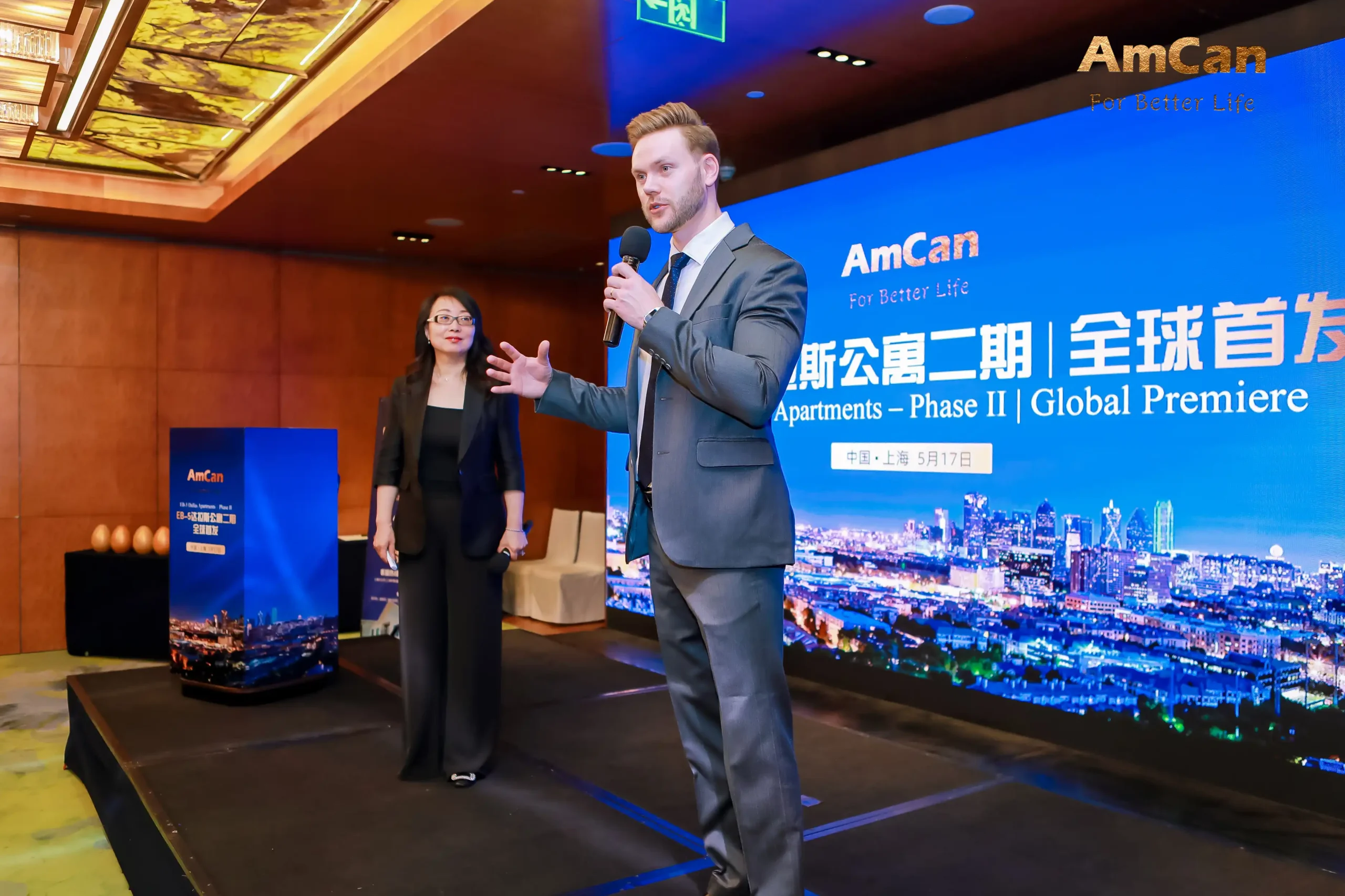
ELITE Strengthens Global Sourcing Strategy Through China Business Trip
ELITE Construction President & Principal Dustin Mayers and Business Development Manager Scott Wilson recently traveled to China to meet with current and prospective investors and strengthen strategic relationships connected to ELITE’s multifamily development work....

Nursing Home Building in Florida: Modern Design and Construction Standards
Nursing home building in Florida requires a highly specialized approach that goes beyond traditional construction. Developers entering this sector must account for healthcare regulations, accessibility standards, operational efficiency, and long-term resident comfort....
Apartment Builders in Dallas: How Multifamily Projects Are Planned and Delivered
The demand for multifamily housing continues to grow, making apartment builders essential partners for developers in expanding markets like Dallas. As population growth and urban density increase, developers rely on experienced builders to deliver apartment...
